Every Museum in Marrakech: The Complete Guide for Visitors
A comprehensive guide to every museum and cultural site in Marrakech. History, art, photography, fashion, gardens, and hidden gems worth visiting.
A City of Culture
Marrakech is not just a destination for sunshine and villas. It is a city with a deep cultural identity, shaped by centuries of Berber, Arab, Andalusian, and French influence. Over the past two decades, a growing number of museums and cultural spaces have opened across the city, transforming Marrakech into one of the most exciting cultural destinations in Africa.
Whether you are interested in Islamic art, contemporary photography, Moroccan fashion, or the history of the Berber people, there is a museum in Marrakech that will surprise and inspire you. This guide covers every major museum and cultural site in the city, with practical information to help you plan your visits.
Musee Yves Saint Laurent Marrakech (mYSLm)
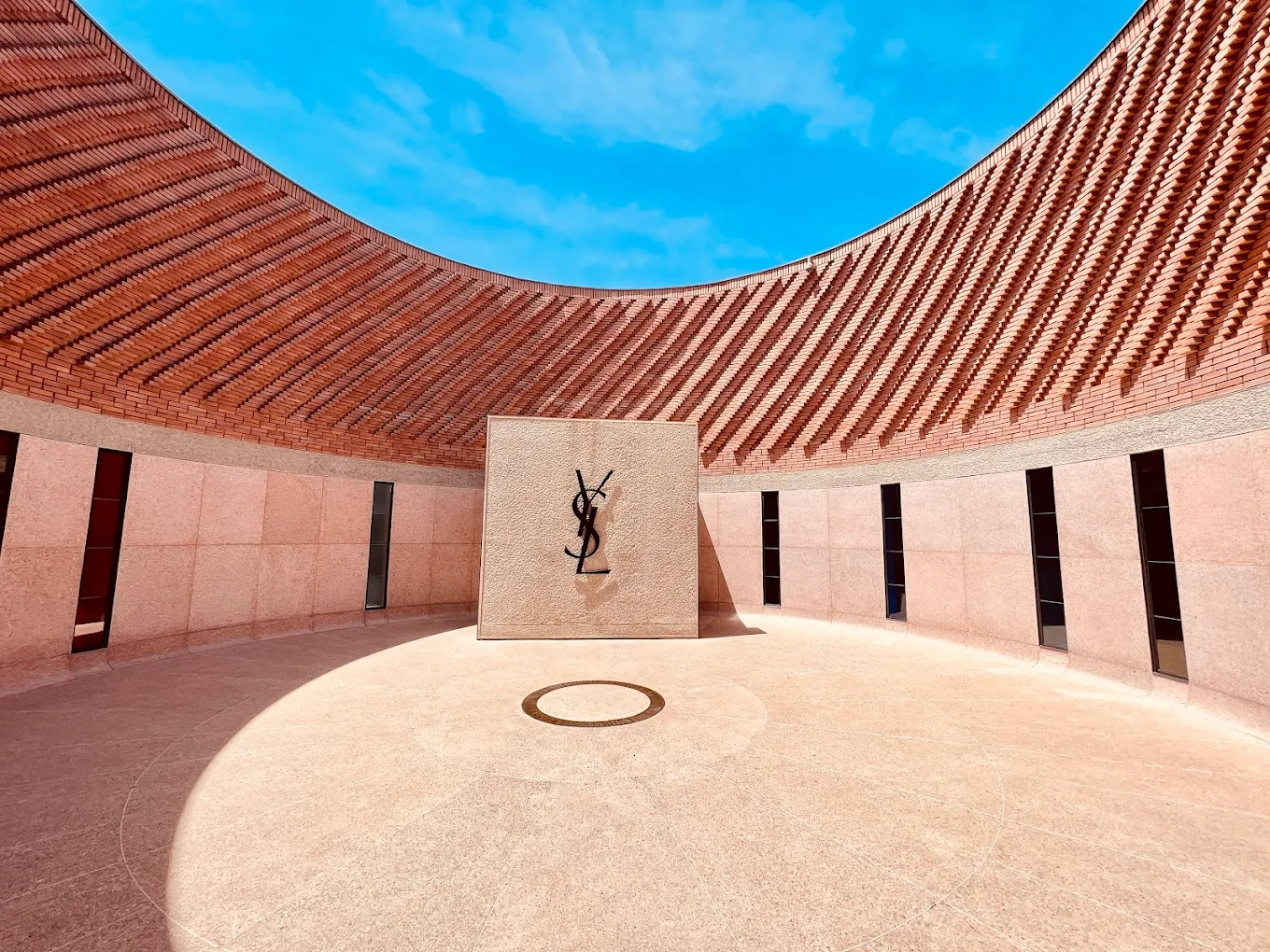
The Musee Yves Saint Laurent is arguably Marrakech's most iconic cultural institution. Opened in 2017, the building was designed by Studio KO and is a masterpiece of contemporary architecture. The terracotta and concrete facade references the textures of Moroccan craft while creating something entirely modern.
Inside, the permanent collection showcases the work of Yves Saint Laurent, who had a deep personal connection to Marrakech. The couturier first visited the city in 1966 and returned throughout his life, drawing constant inspiration from its colours, patterns, and light. The collection rotates through his most significant pieces, including the famous Mondrian dresses, le smoking tuxedo, and his Moroccan-inspired collections.
The museum also hosts temporary exhibitions that explore the intersection of fashion, art, and culture. Past shows have featured photographers, painters, and designers from across the world.
There is a research library, an auditorium for film screenings and lectures, a bookshop with an excellent selection of art and design books, and a cafe with a peaceful courtyard. Allow at least 90 minutes for your visit.
Location: Rue Yves Saint Laurent, Gueliz. Adjacent to the Jardin Majorelle.
Jardin Majorelle
While technically a garden rather than a museum, the Jardin Majorelle is one of the most visited cultural sites in Marrakech and deserves its place on this list. Created by French painter Jacques Majorelle in the 1920s, the garden was later purchased and restored by Yves Saint Laurent and Pierre Berge in 1980.
The garden is famous for its cobalt blue structures, known as Majorelle Blue, and its extraordinary collection of exotic plants, including cacti, bamboo, bougainvillea, and palms from five continents. The pathways are shaded and tranquil, and the sound of water features creates a meditative atmosphere.
Within the garden, the Berber Museum occupies the original artist's studio. The collection includes jewellery, textiles, carpets, ceramics, and weapons from across Morocco's Berber regions. The pieces are beautifully displayed and offer a fascinating introduction to the material culture of the Amazigh people.
The garden can be very busy, particularly in the late morning and early afternoon. We recommend visiting first thing in the morning or in the late afternoon for a quieter experience. Combined tickets for the garden, the Berber Museum, and the Musee Yves Saint Laurent are available.
Location: Rue Yves Saint Laurent, Gueliz.
Le Jardin Secret
Le Jardin Secret is a restored historic garden and palace in the heart of the Medina. The site dates back to the Saadian dynasty in the 16th century, though the current buildings were constructed in the 19th century by a powerful local caid.
The garden is divided into two parts: the Islamic Garden, designed according to the principles of traditional Moroccan garden architecture with geometric water channels and symmetrical plantings, and the Exotic Garden, which features plants from around the world.
The palace buildings have been carefully restored and now house exhibitions on the history of the site and the principles of Islamic garden design. A tower offers panoramic views over the Medina rooftops and the Atlas Mountains beyond.
Le Jardin Secret is one of the most peaceful places in the Medina and makes a wonderful pause during a day of exploring the souks. There is a small cafe serving tea and light refreshments.
Location: 121 Rue Mouassine, Medina.
Bahia Palace
The Bahia Palace is one of the finest examples of Moroccan architecture and decorative arts in the country. Built in the late 19th century for Si Moussa, the grand vizier of Sultan Hassan I, and later expanded by his son Ba Ahmed, the palace was designed to be the most beautiful in Morocco.
The palace covers eight hectares and features 150 rooms, though only a portion is open to visitors. The highlights include the grand courtyard with its marble floor and carved stucco, the painted wooden ceilings of the private apartments, the zellige tilework in the harem quarters, and the lush interior gardens planted with fruit trees and jasmine.
Bahia Palace is a must-visit for anyone interested in Moroccan architecture, Islamic decorative arts, or the history of the Moroccan court. The palace can be crowded during peak hours, so early morning visits are recommended.
Location: Avenue Imam El Ghazali, Mellah, Medina.
El Badi Palace
El Badi Palace is the grand ruin of what was once one of the most lavish palaces in the Islamic world. Built by Saadian Sultan Ahmed al-Mansour in the late 16th century to celebrate his victory over the Portuguese, the palace was said to be decorated with gold, onyx, and Italian marble.
Today, the palace is a vast open ruin, its walls stripped of their decoration by the Alaouite Sultan Moulay Ismail, who used the materials to build his own palace in Meknes. What remains is still impressive: enormous walls of rammed earth, sunken gardens, reflecting pools, and underground chambers.
The palace hosts the annual Marrakech Biennale and other cultural events. The rooftop terraces offer excellent views over the Medina and are home to a colony of storks that nest on the walls each spring.
A small museum within the palace houses an original 12th-century minbar (pulpit) from the Koutoubia Mosque, considered one of the finest examples of Islamic woodwork in existence.
Location: Ksibat Nhass, Medina.
Maison de la Photographie
The Maison de la Photographie is a beautifully curated museum dedicated to the history of photography in Morocco. The collection spans from the 1870s to the 1960s and includes over 10,000 photographs, glass negatives, and documents that document Moroccan life during a period of extraordinary change.
The images capture everything from royal ceremonies and rural life to portraits of Marrakech's residents and landscapes of the Atlas Mountains. The museum is housed in a restored riad in the Medina, and the intimate scale of the space makes the viewing experience personal and engaging.
The rooftop terrace offers one of the best views in the Medina, looking directly across to the Koutoubia Mosque. There is a small cafe serving tea and simple dishes. Allow 45 minutes to an hour for your visit.
Location: 46 Rue Ahal Fes, Medina (near the Ben Youssef Madrasa).
Musee Mouassine
The Musee Mouassine is a small but exquisite museum housed in a restored 16th-century Saadian-era house in the Mouassine quarter of the Medina. The building itself is the main attraction: three floors of intricately carved plasterwork, painted wooden ceilings, and zellige tilework that represent the finest craftsmanship of the Saadian period.
The museum hosts rotating exhibitions of contemporary art and design, and the ground floor contains a hammam dating from the same period. The museum offers guided tours that explain the architectural history of the building and its place in the wider context of Medina life.
Location: Derb El Hammam, Mouassine, Medina.
MACMA (Musee d'Art et de Culture de Marrakech)
MACMA is a privately owned museum located in a stunning riad in the heart of the Medina. The collection focuses on Orientalist art, with paintings and works on paper by European artists who depicted Morocco and the wider Islamic world from the 18th century onwards.
The collection includes works by Jacques Majorelle (the painter who created the famous garden), Eugene Delacroix, and other significant Orientalist painters. The museum also features a collection of Moroccan modern art and regularly hosts temporary exhibitions.
The building itself is remarkable, with beautifully restored rooms, a central courtyard with a fountain, and a rooftop terrace. The museum shop sells high-quality reproductions and art books.
Location: 61 Rue de Yougoslavie, Medina.
Dar Si Said (National Museum of Weaving and Carpets)
Dar Si Said is housed in a 19th-century palace built by Si Said, the brother of Ba Ahmed (who built the Bahia Palace). The building is a fine example of traditional Moroccan palatial architecture, with carved cedarwood, zellige, and painted plaster throughout.
The museum's collection focuses on Moroccan decorative arts, with an emphasis on weaving, carpets, and textiles from the various regions of Morocco. The displays include Berber carpets from the High Atlas, Middle Atlas, and Saharan regions, as well as embroidery, jewellery, ceramics, and woodwork.
For anyone interested in Moroccan craft traditions, Dar Si Said is essential. The labels are informative and the collection gives a comprehensive overview of the country's material culture.
Location: Derb El Bahia, near Bahia Palace, Medina.
Museum of Confluences (Dar El Bacha)
Dar El Bacha, also known as the Museum of Confluences, is one of Marrakech's newest and most ambitious museum projects. Housed in a magnificent early 20th-century palace that once belonged to Thami El Glaoui, the powerful Pasha of Marrakech, the building has been restored to its former grandeur.
The palace itself is worth the visit: soaring ceilings, intricate zellige and stucco work, painted wood, and a series of courtyards and gardens that rank among the finest in the city. The museum hosts rotating exhibitions that explore the cultural connections between Morocco and the wider world.
The museum also includes a branch of the Parisian Cafe Boulud, making it a popular stop for both culture and coffee.
Location: Route Sidi Abdelaziz, Medina.
Ben Youssef Madrasa
The Ben Youssef Madrasa is the largest and most important historic madrasa (Islamic college) in Morocco. Founded in the 14th century and rebuilt in the 16th century under the Saadian dynasty, it was once the largest centre of Islamic learning in North Africa, housing up to 900 students.
The architecture is breathtaking. The central courtyard features a large marble basin surrounded by intricately carved stucco, zellige tilework, and cedarwood screens. The student cells, arranged on two floors around the courtyard, are tiny and austere, a striking contrast to the splendour of the public spaces.
The madrasa was closed for extensive restoration and reopened in recent years. It is one of the most photographed buildings in Marrakech, and for good reason. Visit early in the morning to avoid the crowds.
Location: Kaat Benahid, Medina (near the Marrakech Museum).
Saadian Tombs
The Saadian Tombs are a royal necropolis dating from the late 16th century, rediscovered in 1917 after being sealed for centuries by the Alaouite dynasty. The tombs contain the remains of members of the Saadian royal family, including Sultan Ahmed al-Mansour.
The mausoleum chambers are exquisitely decorated with carved Carrara marble, gilded cedarwood, and colourful zellige tilework. The main chamber, known as the Hall of Twelve Columns, is one of the finest examples of Islamic funerary architecture in the world.
The gardens surrounding the tombs are planted with roses and fruit trees and offer a peaceful retreat from the bustle of the Medina. The tombs can be busy, so morning visits are recommended.
Location: Rue de la Kasbah, Medina.
MNAP (National Museum of Artistic Textiles and Tapestries)
Located near the Bahia Palace, the MNAP focuses on Morocco's extraordinary textile heritage. The collection includes historic carpets, embroidery, and woven textiles from every region of the country, displayed in a restored palace setting.
The museum is relatively new and not yet on most tourist itineraries, which means it is often quiet and uncrowded. For textile enthusiasts and anyone interested in the craft traditions of Morocco, it is a hidden gem.
Location: Derb Si Said, near Bahia Palace, Medina.
Musee de Mouassine (Heritage Museum)
Not to be confused with the Musee Mouassine mentioned above, the Heritage Museum in the Mouassine quarter focuses on Moroccan daily life and traditions. The collection includes household objects, tools, clothing, and artefacts that illustrate how ordinary Moroccans lived in centuries past.
The museum is small but well curated, and the building, a restored fondouk (merchant's inn), is architecturally interesting in its own right.
Location: Mouassine quarter, Medina.
Planning Your Museum Visits
Most museums in Marrakech are located within the Medina or in the Gueliz neighbourhood, making them easy to combine into a single day of exploration. Here are some practical tips for planning your visits.
Timing
Morning visits are almost always best, both for avoiding crowds and for the quality of light. Many museums open at 9am or 10am. The Jardin Majorelle and the Ben Youssef Madrasa are the busiest sites and benefit most from early arrival.
Combined Tickets
Combined tickets are available for the Jardin Majorelle, the Berber Museum, and the Musee Yves Saint Laurent. These offer a small saving and avoid queueing at each site.
Guided Tours
A private guide can transform your museum experience. Our guides are knowledgeable about art, architecture, and history, and can provide context that brings the collections to life. We arrange private guided tours that cover multiple sites in a single morning or afternoon.
With Children
The Jardin Majorelle, Le Jardin Secret, and the El Badi Palace (with its rooftop storks) are all popular with families. The Maison de la Photographie rooftop is also a hit with children for its views and juice selection.
Let Us Arrange Your Cultural Programme
At The Marrakech Curator, we can build a personalised cultural itinerary for your stay. Whether you want a full day of museum visits with a private guide, or simply a recommendation for one or two highlights, we are happy to help.
Tell us what interests you, and we will create a programme that fits your schedule and your curiosity.